Corporate Identity: The Cornerstone of Brand Success in a Competitive World
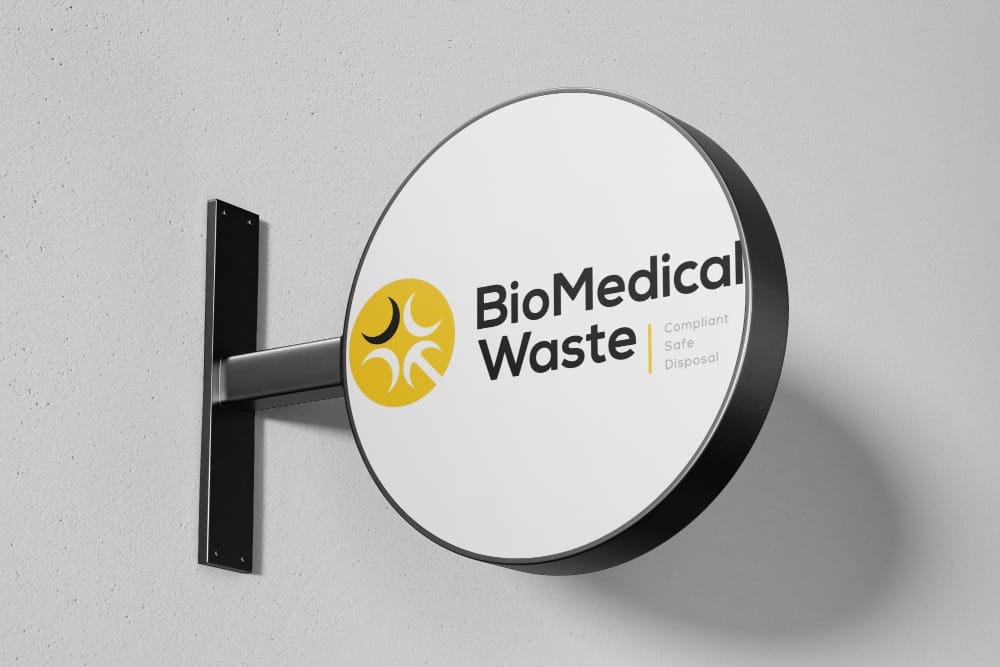
Biomedical Waste, a division of Tshegofentse Waste Management, specializes in the compliant and safe disposal of hazardous medical waste. They handle sharps, syringes, scalpels, infectious waste, and expired medicines, ensuring organizations stay compliant with medical waste regulations while maintaining a healthy environment. Their corporate identity, designed to reflect professionalism and leadership in the industry, strengthens their image and commitment to sustainability and safety. With a licensed team and dedicated service, Biomedical Waste helps businesses focus on their core operations without compromising health and safety standards.
We developed a corporate identity for Biomedical Waste that reflects a balance of professionalism, corporate strength, and industry leadership. The design features elements that enhance the brand’s image while staying aligned with its core values of safety, compliance, and innovation. Establishing a strong corporate identity is essential for a business as it builds trust, reinforces credibility, and distinguishes the brand in a competitive market.
Corporate Identity: The Cornerstone of Brand Success in a Competitive World
In today’s fiercely competitive business landscape, the way a company presents itself to the world can make all the difference. From the logo on a product to the tone of voice used in marketing materials, corporate identity is the thread that weaves together a brand’s story and connects it with its audience. It’s much more than just aesthetics – it’s about how a company is perceived, its values, and its promise to customers. In essence, corporate identity is the cornerstone of brand success.
What is Corporate Identity?
Corporate identity refers to the visual and communicative elements that represent a company. This includes a brand’s logo, color schemes, typography, and other design components, as well as its tone, messaging, and overall personality. A well-defined corporate identity reflects the core values and mission of a company, ensuring that customers, employees, and stakeholders clearly understand what the brand stands for.
The Elements of a Strong Corporate Identity
- Logo: A logo is often the first impression a brand makes. It serves as a symbol of recognition and is a visual shorthand for a company’s identity. A memorable, well-designed logo captures the essence of a brand’s personality.
- Color Palette: Colors evoke emotions and associations. The right color scheme can influence how people perceive a brand. For instance, blue often conveys trust and professionalism, while red can communicate energy and urgency.
- Typography: Fonts matter more than you might think. The right typeface can reinforce a brand’s tone – whether it’s formal, playful, or modern.
- Tagline or Slogan: A tagline communicates the core value or promise of a brand. It should be short, memorable, and reflective of what the company stands for.
- Tone and Voice: Consistency in communication is key. Whether it’s through social media posts, newsletters, or customer interactions, the tone a brand uses should align with its identity and resonate with its audience.
- Imagery and Graphics: Visual elements like photography, illustrations, and icons are crucial in supporting the brand’s messaging and creating a unified look across platforms.
Why Corporate Identity Matters
- Builds Brand Recognition
A well-executed corporate identity helps a brand stand out in a crowded marketplace. When customers can easily recognize a brand through its visual cues, they are more likely to engage with and trust it. Strong brand recognition is often the first step toward customer loyalty. - Establishes Credibility and Trust
Consistency in how a company presents itself builds trust. When customers see a unified and professional image across different touchpoints, they feel more confident in the brand’s reliability. Whether it’s through advertising, packaging, or website design, a cohesive identity reassures consumers that the company is reputable. - Differentiates from Competitors
In any industry, competition is inevitable. A distinct corporate identity sets a company apart from the crowd. It highlights what makes the business unique and helps it carve out a place in the market. Brands that successfully differentiate themselves are often the ones that capture the most attention and loyalty. - Reflects Company Values and Vision
Your corporate identity is a reflection of who you are as a business. It communicates your values, your vision, and your approach to the market. By aligning identity with core beliefs, a brand can attract like-minded customers who share its values, fostering deeper connections. - Enhances Marketing Efforts
A well-defined corporate identity makes marketing easier and more effective. With a clear set of guidelines, all communication channels, from digital ads to print materials, can work together to reinforce a consistent message. This synergy amplifies the impact of marketing efforts and strengthens brand awareness.
How to Build a Successful Corporate Identity
- Understand Your Brand’s Purpose
Before you create a corporate identity, you need to understand what your brand stands for. Define your mission, vision, and values. What problem are you solving for your customers? How do you want to be perceived? - Conduct Market Research
Knowing your target audience and competitors is essential. What appeals to your audience? How are your competitors positioning themselves? Use this information to shape your identity in a way that resonates with your audience and sets you apart from the competition. - Invest in Professional Design
Don’t skimp on design. Whether you’re creating a logo or developing a website, professional design is crucial to conveying credibility and professionalism. A well-designed identity shows that you take your brand seriously and are invested in delivering quality to your customers. - Consistency is Key
Ensure that your corporate identity is consistent across all platforms and materials. From social media to business cards, the same colors, fonts, and tone should be present. This creates a seamless brand experience and helps reinforce recognition. - Evolve with Time
While consistency is important, so is adaptability. As markets evolve, so should your corporate identity. Periodically reassess your brand’s image to ensure it still aligns with your mission and appeals to your audience. However, these changes should be carefully considered and not overly frequent to avoid confusing customers.

Working in the corporate world since 2000, with more than two decades of experience in brand building, grahic design & website design and development (project management) and online marketing. A successful and commercially driven marketer , with a proven record in providing creative marketing solutions for a wide range of companies.
An expert online digital marketer: analyzing requirements while supporting effective communication to ensure effective project delivery, with a huge passion for the digital world and the influence it has on business today!
We offer services is the Vaal Triangle, Vanderbijlpark, Vereeniging, Three Rivers, Meyerton, Sasolburg, Naledi Vaalpark and outlying areas